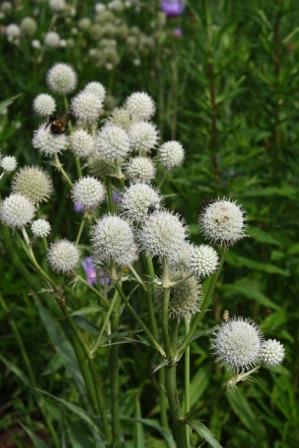
This plant will stand out in any garden, individually or in groups. Rattlesnake master, eryngium yuccifolium, is a unique wildflower best known for its bristly, spherical flowers.
Eryngium Yuccifolium Rattlesnake Master Minnesota Wildflowers

Quite different from the usual blue forms of sea holly, this one is a native north american wildflower.

Rattlesnake master plant care. Where should i keep rattlesnake master plant in my garden? Rattlesnake master characteristics & attributes. You can grow the plant in bright indirect light, but in those cases you need to water it more with every watering.
Its water use is medium, but it can also withstand drought conditions. Althugh not a butterfly or bumblebee magnet, small native bees, moths and flies will nectar on rattlesnake master. “an infusion of the leaves and root of the plant was at one time believed to be an effective remedy in treating bites of rattlesnakes.”
It is the larval host for the rattlesnake master borer moth ( papaipema eryngii ). Break or crush a leaf, and the aroma will give it away. Once credited with the curative power of treating rattlesnake bite, eryngium yuccifolium is commonly known as rattlesnake master.
Occurs in upland prairies, glades, savannas, and rocky openings of moist to dry upland forests. As stated earlier, full sun and low fertility are musts. The rattlesnake master plant starts the growing season as an upright clump of attractive, sword shaped bluish leaves.
Indian traders recounted tales of native americans chewing the root of the plant and then being able to safely. Its tough leaves are prepared to fend off most leaf diseases and herbivores avoid them for meals. Cold, dry air, poor ventilation, drafts, and sudden changes in temperatures are all very harmful.
The common name comes from the erroneous belief of the pioneers that the roots were an effective antidote to rattlesnake bites. Coastal, cottage/informal, flower arranging, beds and borders, gravel, wildlife. Increase the amount of water to about a third more than what you typically use.
To create the humid environment the plant favors, stand your potted plant on a tray with pebbles. Taproot makes for poor transplanting. The name rattlesnake master is derived from a belief, shared by native americans and pioneers, that the plant was an antidote for rattlesnake venom.
Instead, rattlesnake master is a member of the carrot family (apiaceae or umbelliferae). Direct exposure should be avoided as it can shrivel the leaves. The rattlesnake master plant can be used in mixed borders to provide contrast with its spiky leaves and unique flowers adding texture and form.
This very distinctive plant is an interesting cut flower and, according to steyermark: Simply water as needed when rain is scarce. Will flop in overly fertile soil and less than full sun.
Rattlesnake master care is simple, once established. The plant can be used in native or woodland gardens, planted singly or in masses. And don't worry, it doesn't attract rattlesnakes!
Although the aggregation of many small flowers in dense, hemispherical heads makes rattlesnake master look like a thistle or other member of compositae, it is unrelated to those plants. Rattlesnake master is one of the signature plants of the tallgrass prairie, a habitat that used to cover about half of our state before it was settled and the prairies turned into crop fields or allowed to become forest. Although it is easy to grow from seed, resents being transplanted once it has established its tap root.
Keep your rattlesnake plant away from air conditioning units and heating systems to avoid exposing it to undesired dry air. Rattlesnake master (eryngium yuccifolium) needs between 4 and 6 hours of direct sunlight per day. Rattlesnake master is one of the host plants of the black swallowtail.
Rattlesnake master merit awards and special collections. If you don’t get the seeds planted early, you may chill them for 30 days in the refrigerator, then plant. The plant can cause skin irritations or allergies, so it should be handled with care.
It also makes an excellent garden specimen as a durable perennial in most soil types with adequate sun. Prefers dry, non fertile, sandy soils.

Eryngium Yuccifolium Rattlesnake Master

Rattlesnake Master Plant Profile Sylvan Gardens Landscape Contractors
Native To Know Rattlesnake Master - Finegardening

Rattlesnake Master Siebenthalers

Eryngium Yuccifolium High Country Gardens

Eryngium Yuccifolium Rattlesnake Master

Eryngium Yuccifolium Rattlesnake Master

Eryngium Yuccifolium Rattlesnake Master Bee Friendly Plants Native Plants Plants
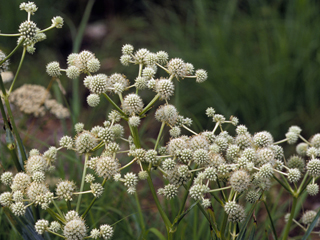
Eryngium Yuccifolium Rattlesnake Master Native Plants Of North America

Rattlesnake Master Care Planting Rattlesnake Master Seeds In The Garden

10 Perennial Flowers That Thrive In Compacted Clay Soil Flowers Perennials Perennials Clay Soil Plants
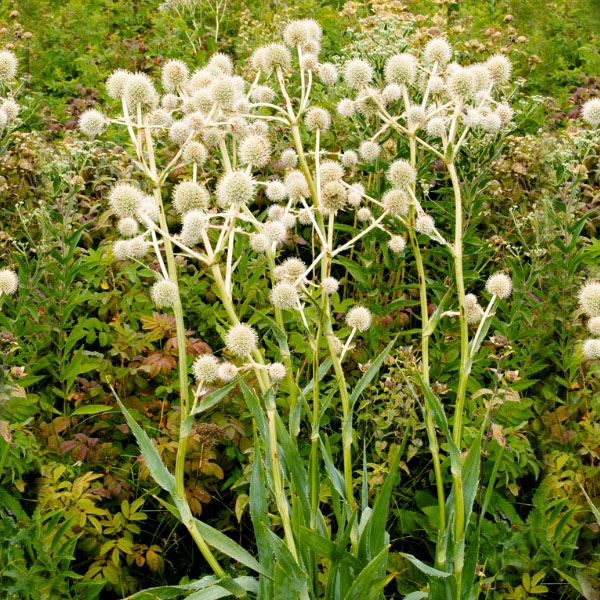
Eryngium Rattlesnake Master - Vincent Gardens
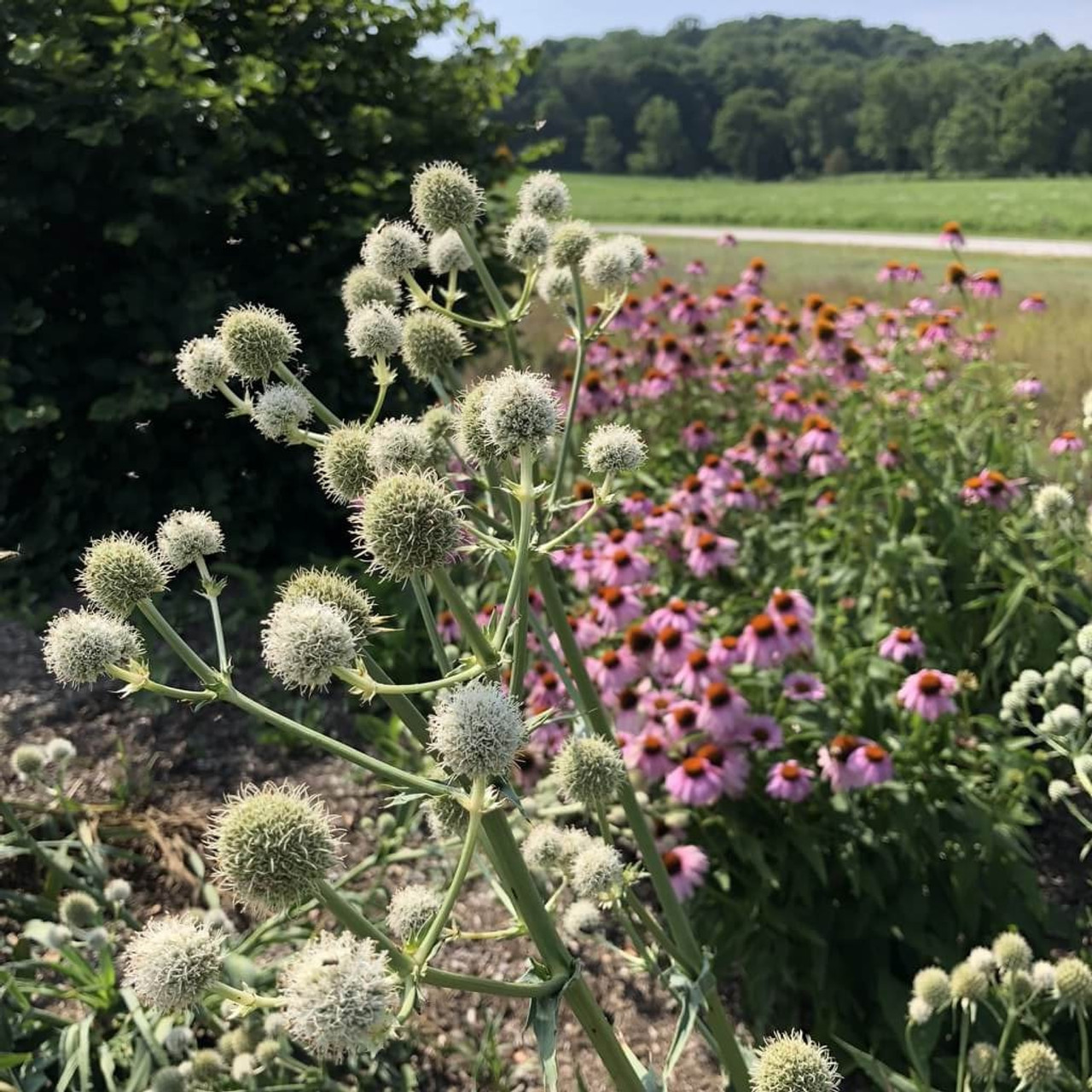
Rattlesnake Master - Eryngium Yuccifolium
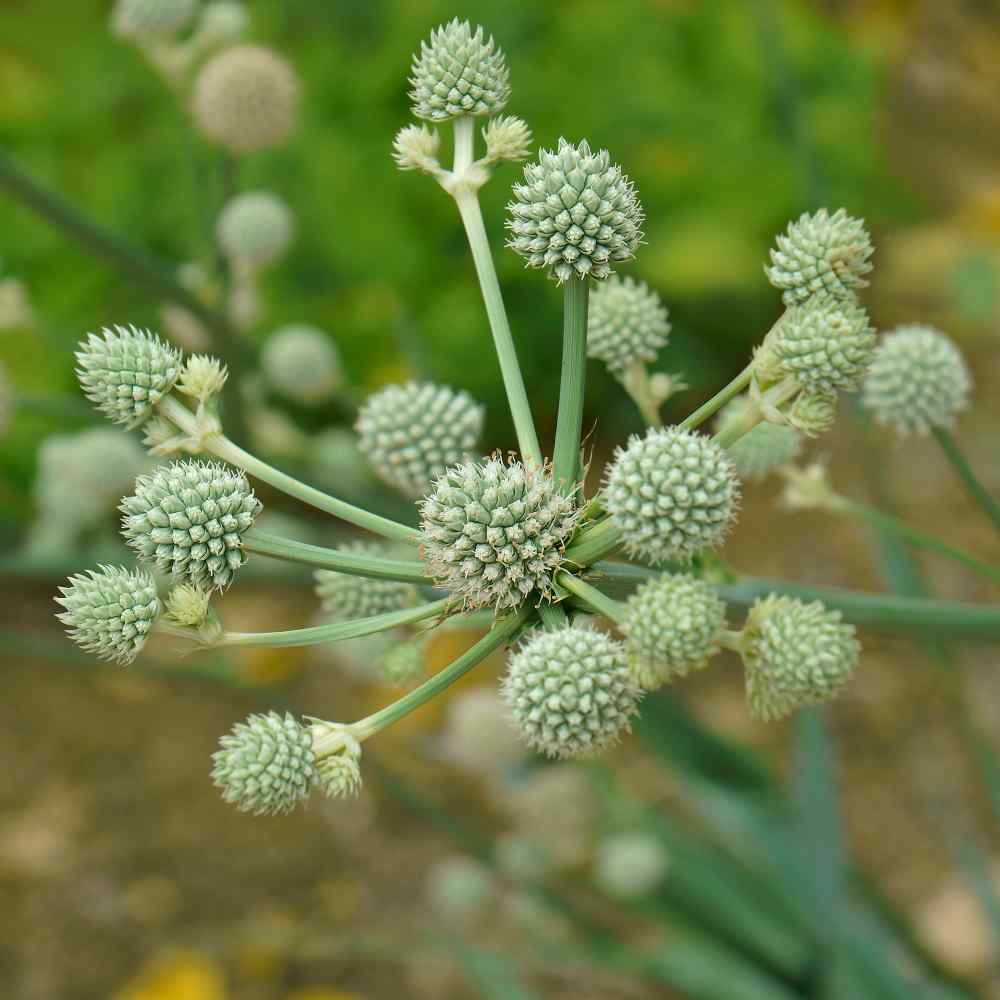
Eryngium Seeds - Rattlesnake Master Flower Seed

Eryngium Yuccifolium Rattlesnake Master Outside Plants Ornamental Plants Tall Flowers

Eryngium Yuccifolium - Wikipedia

Buy Rattlesnake Master Eryngium Yuccifolium - Free Shipping - 1 Gallon Size For Sale From Wilson Bros Gardens Online

Rattlesnake Master Plants Plants Uk Cottage Garden Plants
Button Snakeroot Rattlesnake Master Button Eryngo - Songbird Plants - Almost Eden
Comments
Post a Comment